

Brookfield Asset Management, Oaktree Capital Management -

The LME Wave

OaktreeFeatured

A surge in liability management exercises (LMEs) has manifested from a potent combination of weak credit documentation, elevated debt costs, impending maturities, and resourceful sponsors in need of a way to create equity value. While most of the sub-investment grade credit universe remains healthy, the sheer amount of outstanding debt means even a relatively low distress rate can inspire significant LME volume. LMEs remain ill-defined but generally encompass actions taken by a troubled borrower to restructure its debt obligations outside of court rather than through a formal bankruptcy process, or to raise money through unconventional means in order to address a liquidity need.

Executing an LME can generate the runway required for a borrower to avoid or postpone a “full” default. However, this creative debt management technique may lead to divergent outcomes for investors that hold the same instrument, presenting both attractive new-money opportunities and the potential for a re-ordering of the priority of pre-existing claims on the borrower’s collateral. It’s therefore essential that investors deftly navigate the risks and opportunities present in the LME wave, instrumental to which is drawing upon robust legal acumen and maximizing the benefits of scale and industry relationships.

The Origin

If the onset and acceleration of the LME wave were to be explained in just two charts, the two below would be highly effective. 
 

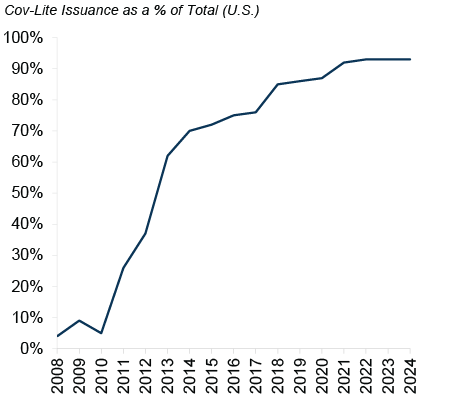
Figure 1: Most Senior Loans Now Lack Meaningful Covenants
Image
Fig1

Source: Pitchbook, Bloomberg 
 

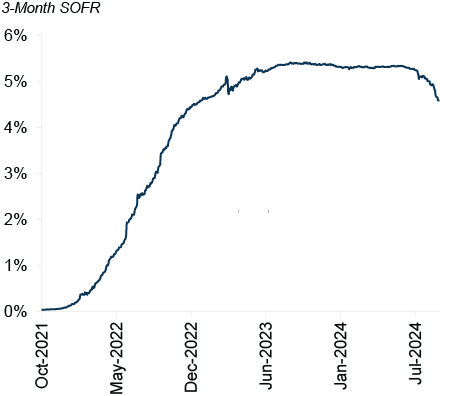
Figure 2: Base Rates Have Significantly Increased
Image
Fig2

Source: Pitchbook, Bloomberg 
 

Firstly, over 90% of senior loans are now issued with no meaningful covenants.1 Documentation standards deteriorated rapidly during the era of ultra-low interest rates following the Global Financial Crisis, as investors compromised on lender protections amid the chase for yield. Weak documentation gives borrowers increased flexibility to avoid defaults, and pursue creative ways to raise additional capital, including through issuing new debt that is senior to existing debt in the capital structure. Crucially, it also allows borrowers to pit creditors against each other, creating a prisoner’s dilemma that allows the company to obtain concessions. Fundamentally, this permits the potential for asymmetrical outcomes for lenders invested in the same instrument, a factor that partly explains the oft-used term ‘‘creditor-on-creditor violence.’’

If loose documentation standards formed the groundwork for the LME wave, the most significant catalyst that pushed borrowers to exploit them was the historic increase in interest rates in 2022. For floating-rate borrowers, elevated base rates are almost immediately reflected in coupon payments: since the start of 2023, the average coupon in the senior loan market has been 8.9%, up from less than 5% in 2020.2 While most sub-investment grade credit issuers have demonstrated remarkable resilience to this increased interest burden, a meaningful cohort of challenged borrowers may need additional liquidity to run their businesses, and/or struggle to meet upcoming maturities.

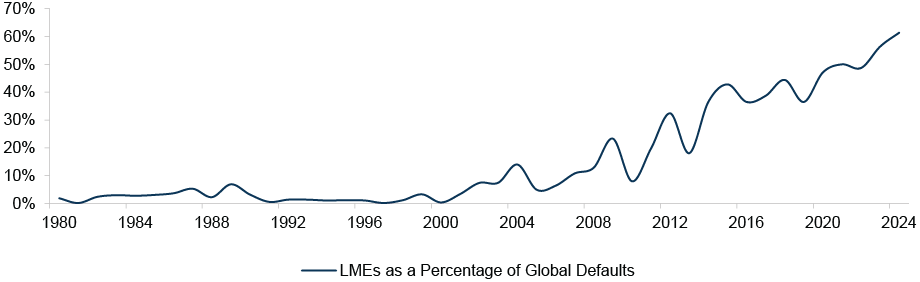
For this stressed subset of borrowers, conducting an LME presents the opportunity to secure new liquidity and/or cut their existing debt burden. This may help to avoid – or at least delay – a formal bankruptcy process which, in addition to being very expensive, typically results in a change-of-control transaction pursuant to which creditors exchange their debt for all or substantially all of the equity of the bankrupt company, leaving the sponsor with little to no value. Given the cost, time, and loss of equity associated with an in-court restructuring, an LME is increasingly the preferred option. (See Figure 3.) For private equity sponsors, even if LMEs may only delay the eventual day of reckoning, they can provide additional runway to drive improvement in their portfolio companies without the need to contribute more equity, and without the need to crystallize a loss. 
 

Figure 3: LMEs Represent Over Half of All Defaults
Image
Fig3

Source: Moody’s, Barclays Research, as of August 2024

Share this post

Sign Up Now for Full Access to Articles and Podcasts!

Unlock full access to our vast content library by registering as an institutional investor

Register

Contacts


Author Information

Authored by: Oaktree Capital Management
Authored on:

Brookfield

Brookfield Asset Management is a leading global alternative asset manager with approximately $1 trillion of assets under management across renewable power and transition, infrastructure, private equity, real estate, and credit. We invest client capital for the long-term with a focus on real assets and essential service businesses that form the backbone of the global economy. We offer a range of alternative investment products to investors around the world — including public and private pension plans, endowments and foundations, sovereign wealth funds, financial institutions, insurance companies and private wealth investors. We draw on Brookfield’s heritage as an owner and operator to invest for value and generate strong returns for our clients, across economic cycles.

Roger Kramer
Managing Director, Insurance Strategist 
roger.kramer@brookfield.com
+1.646.774.3472  

https://www.brookfield.com/
250 Vesey Street, 14th Fl. New York, NY 10281

 

View the contributor page

Sign Up Now for Full Access to Articles and Podcasts!

Unlock full access to our vast content library by registering as an institutional investor .

Create an account

Already have an account ? Sign in

Ѐ Ё Ђ Ѓ Є Ѕ І Ї Ј Љ Њ Ћ Ќ Ѝ Ў Џ А Б В Г Д Е Ж З И Й К Л М Н О П Р С ΄ ΅ Ά · Έ Ή Ί Ό Ύ Ώ ΐ Α Β Γ Δ Ε Ζ Η Θ Ι Κ Λ Μ Ν Ξ Ο Π Ρ Ё Ђ Ѓ Є Ѕ І Ї Ј Љ Њ Ћ Ќ Ў Џ А Б В Г Д Е Ж З И Й К Л М Н О П Р С Т У Ф Х Ц Ч Ш Ā ā Ă ă Ą ą Ć ć Ĉ ĉ Ċ ċ Č č Ď ď Đ đ Ē ē Ĕ ĕ Ė fi fl œ æ ß